
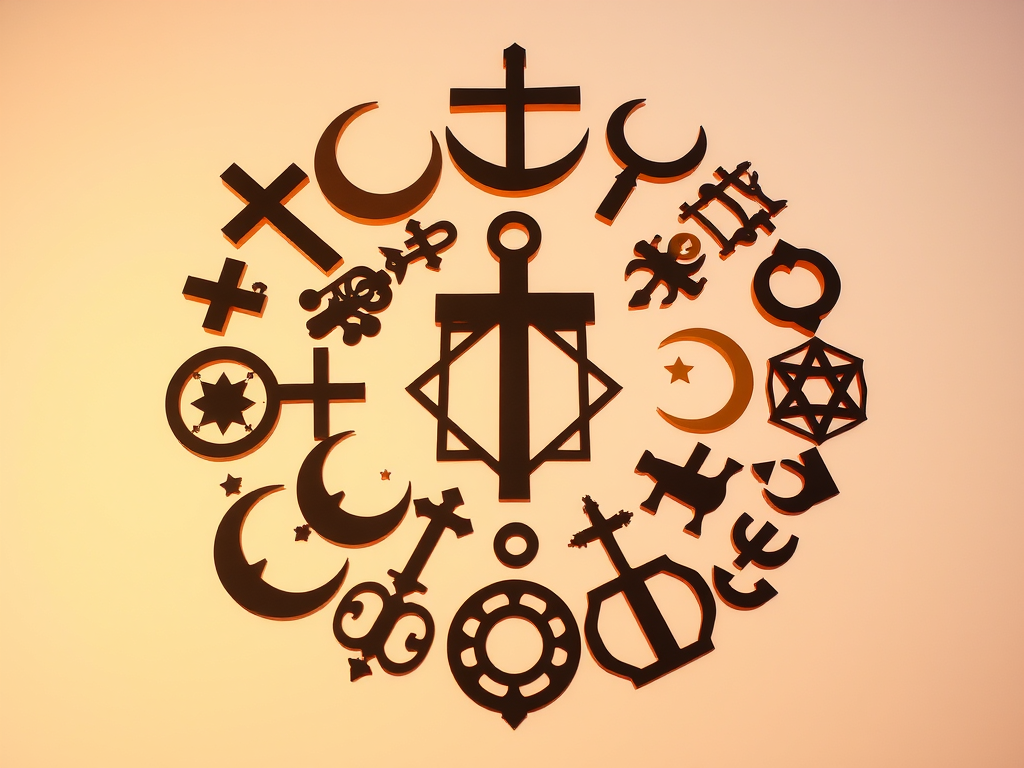
In a world increasingly interconnected yet often fearful, understanding different belief systems has never been more crucial. When we talk about religion, two terms often come up: religious literacy and religious practice. While seemingly related, they represent distinct aspects of engaging with faith. Grasping the difference is key to fostering respectful dialogue and a more nuanced appreciation of the diverse spiritual landscape.
Religious Literacy: Knowing About
Religious literacy is, at its core, the understanding of religion as a phenomenon. It’s about knowing about religions – their histories, scriptures, rituals, ethical frameworks, major figures, and cultural impact. A religiously literate person can:
- Identify major religious traditions and their core tenets.
- Recognize the diversity within traditions, understanding that not all Christians, Muslims, Buddhists, or Hindus believe or practice in the exact same way.
- Analyze the role of religion in historical events, social movements, art, literature, and politics.
- Differentiate between religious claims and historical facts without necessarily endorsing or refuting either.
- Engage in informed conversations about religious topics without resorting to stereotypes or misinformation.
Think of it like studying a language. You can be highly literate in French – understand its grammar, vocabulary, and literary tradition – without ever having spoken a word of it or lived in France. Religious literacy equips individuals with the knowledge to navigate a religiously diverse world intelligently and empathetically, whether they personally adhere to a faith or not. It’s an intellectual pursuit, focused on comprehension and critical analysis.
Religious Practice: Living Within
Religious practice, on the other hand, is the active engagement with a specific faith tradition. It’s about living withina religion, embodying its principles, and participating in its community and rituals. A person engaged in religious practice might:
- Adhere to specific doctrines and beliefs as personal truths.
- Participate in communal worship, prayers, sacraments, or ceremonies (e.g., attending church, praying towards Mecca, meditating in a temple).
- Follow dietary laws, dress codes, or other lifestyle guidelines prescribed by their faith.
- Engage in personal spiritual disciplines like meditation, prayer, fasting, or studying sacred texts for personal growth and connection.
- Seek meaning, purpose, and guidance for their life through their faith.
Using our language analogy again, religious practice is akin to being a native speaker of French – you live and breathe the language, use it to express yourself, connect with others, and experience the world through its lens. It’s an experiential and often deeply personal journey, focused on devotion, community, and spiritual transformation.
Why the Distinction Matters
Understanding this difference is crucial for several reasons:
- Combating Stereotypes: Someone can be religiously literate about Islam without being a Muslim, and this knowledge can help them challenge Islamophobia. Conversely, someone can be a devout Muslim without being able to articulate the complex theological history of their faith in an academic sense.
- Promoting Respectful Dialogue: When discussing religion, it’s important to know if you’re engaging with someone’s intellectual understanding or their lived experience. Both are valid, but they require different approaches to conversation.
- Enhancing Education: Education systems can teach religious literacy without promoting religious practice. This allows students to learn about religions as part of a well-rounded education, preparing them for a diverse world, without proselytizing.
- Personal Exploration: Individuals exploring different faiths might start with religious literacy to understand options before deciding if they want to engage in religious practice.
In conclusion, religious literacy is about the head – knowing, understanding, and analyzing. Religious practice is about the heart and hands – believing, doing, and experiencing. Both are valuable, and while they can overlap and enrich each other, they remain distinct paths to engaging with the profound and multifaceted phenomenon of religion.
 Sacred Moments Ministry
Leave a comment